
2026년 4월 23일


Arab-American Family Support Center의 CEO인 Randy Ali(랜디 알리)가 뉴욕시 아랍계 미국인 커뮤니티 전반에서 일상 생활, 커뮤니티 지원, 옹호 활동에 시민 참여가 어떻게 나타나는지 소개합니다.
AAFSC 커뮤니티에서 시민 참여는 어떤 모습인가요? 선거 투표, 조직화, 대화 나누기 또는 더 작은 일상적인 방식으로 나타나는 것일 수 있는데, 무엇이 두드러지나요?
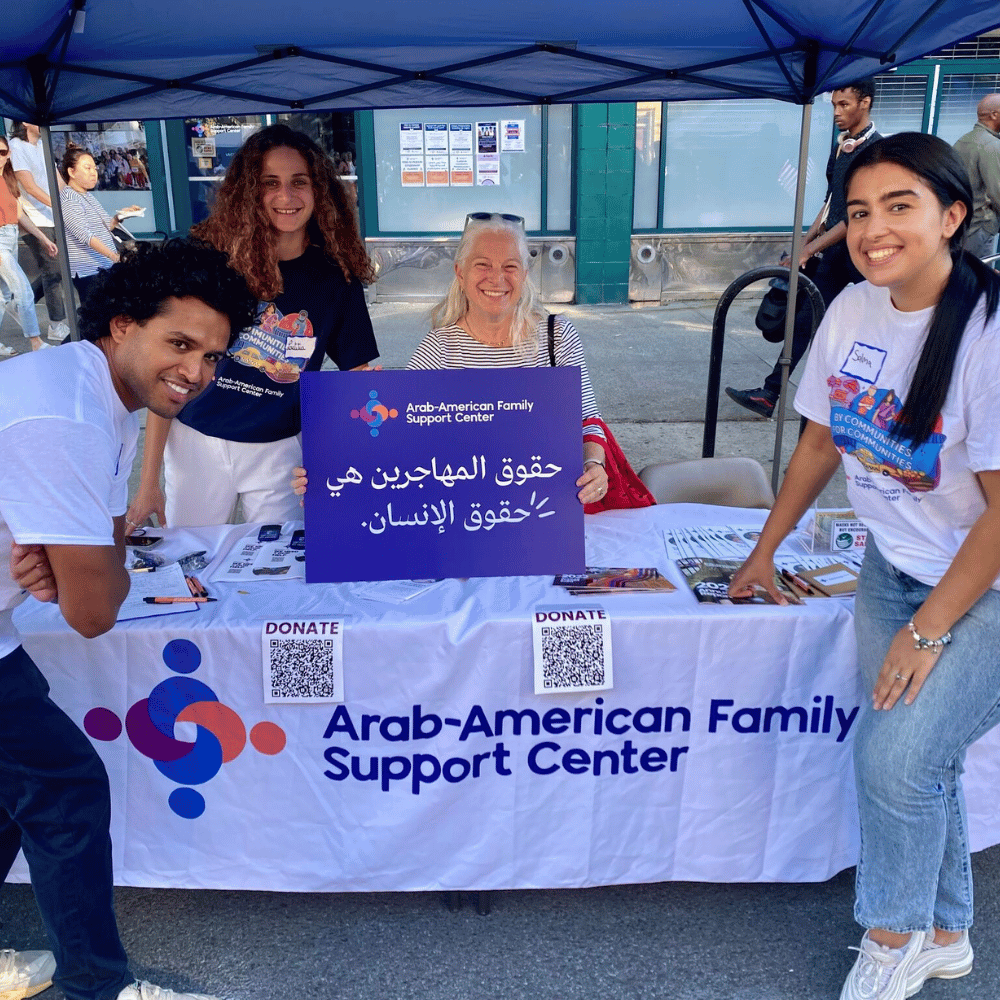
AAFSC에서 저희는 시민 참여를 선거 투표나 특정 사안 중심의 조직화보다 훨씬 더 광범위한 것으로 생각합니다. 저희는 시민 참여를 개인과 가족이 자기 커뮤니티의 삶에 함께하고, 관계를 맺고, 자신의 목소리를 전하며, 일상에 영향을 미치는 제도를 만들어가는 데 한몫할 수 있는 역량으로 봅니다. 그래서 저희는 의도적으로 저희 활동 속에 시민 참여를 엮어 넣습니다.
저희 활동의 핵심은 여러 세대에 걸친 가족들이 안정을 찾고, 든든한 지원을 받으며, 궁극적으로 번영할 수 있도록 필요한 서비스와 자원을 갖춰드리는 것입니다. 이 과정을 통해 저희와 함께 일하는 사람들은 시민 참여가 일상 생활과 분리된 것이 아니라는 것을 알게 됩니다. 그것은 사회적, 시민적, 경제적 웰빙의 모든 측면에 영향을 미칩니다. 저희는 커뮤니티 구성원들이 식탁에 음식을 올리고 살 곳을 마련하는 일부터 양질의 의료 서비스를 부담 가능한 비용으로 이용하는 일까지, 가족의 삶에 실질적인 영향을 미치는 문제들을 이해하고 대처할 수 있도록 돕습니다. 저희는 프로그램을 통해, 사람들이 시민 생활에 효과적으로 참여하는 데 필요한 도구, 자신감, 관계를 구축할 수 있도록 돕습니다. 저희는 사람들이 자신의 커뮤니티를 형성하는 주체가 될 수 있도록 안내하는 역할을 합니다.
저희는 맥락이 매우 중요하다는 것을 발견했습니다. 가족이 경제적, 사회적 또는 기타 트라우마를 겪고 취약한 상태에 있을 때, 저희의 첫 번째 책임은 상황을 안정시키도록 돕는 것입니다. 본인이나 가족이 위기, 고립, 불확실성에 직면해 있을 때 공적 생활에 참여하는 것은 매우 어렵습니다. 이 단계에서 저희는 사람들이 즉각적인 어려움을 헤쳐 나갈 수 있도록 도와주는 지원 네트워크인 직원, 서비스, 자원에 연결해 드립니다. 그 단계에서부터 사람들은 공공 시스템, 정책, 커뮤니티 지원이 자신의 삶을 얼마나 실질적으로 좌우하는지 깨닫기 시작합니다.

그 기반은 더 공적인 형태의 참여와 옹호 활동으로 성장할 수 있습니다. 방과후 프로그램에 참여하는 청소년들이 공개 서한을 작성합니다. 영어를 배우는 학생들이 자기 도시에 어떤 서비스가 있었으면 좋겠는지 선출직 대표에게 직접 이야기합니다.이웃이 지역 참여 예산 프로젝트에 한 표를 행사합니다.떠오르는 리더가 커뮤니티 행사에서 청중에게 자신의 이야기를 들려줍니다. 그리고 부모들은 어떻게 하면 자신들에게 더 도움이 될 수 있을지 AAFSC 같은 단체에 직접 알려줍니다.
이것은 개인의 일만이 아닙니다. 저희가 운영하는 직접 서비스 프로그램에서 크고 작은 시민 참여 활동이 일어날 때, 저희에게는 그 영향력을 더 크게 키워나갈 책임이 있습니다. 저희는 선출직 공무원들에게 커뮤니티가 겪고 있는 일을 알리고 유권자들로부터 직접 들을 수 있는 공간을 만듭니다. 저희는 주민들이 요청하는 자원을 얻기 위해 싸웁니다. 중동 및 북아프리카 커뮤니티가 데이터에 집계되고 정책 결정에 반영될 수 있도록 관료적 구조의 변화를 옹호합니다. 또한 더 인도적인 이민 정책을 발전시키는 법안을 지지하기 위해 나섭니다.
커뮤니티와 시민 생활을 하나로 엮어내는 가장 보람찬 사례 중 하나는 저희가 여는 시민권 취득 축하 행사입니다. 이 모임은 이민자의 여정에서 가장 뜻깊은 이정표 가운데 하나를 기리는 자리입니다. 또한 커뮤니티 구성원, 선출직 공무원 및 기타 사람들이 함께 모여 의미 있는 방식으로 축하하고 교류할 수 있는 공간을 만듭니다. 이는 저희가 추구하는 시민 참여의 모습, 즉 존엄성과 소속감, 그리고 함께 나누는 경험에 뿌리를 둔 시민 참여의 모습을 잘 보여줍니다.
궁극적으로 저희의 목표는 21,000명이 넘는 개인과 가족으로 이루어진 네트워크가 당장의 필요를 충족하는 것은 물론, 자기 커뮤니티의 미래에 대한 비전을 스스로 그려내고 그것을 현실로 만들어갈 수 있도록 돕는 것입니다.
지난 대선 후 아랍계 미국인들은 낮은 투표율로 비판받았고 종종 무관심한 것으로 낙인찍혔습니다. 저 자신의 경험과 친구 및 가족과의 대화를 통해 볼 때, 그러한 부재는 무관심이 아니었습니다.
시민 참여는 개인적으로, 특히 뉴욕시 아랍계 미국인 커뮤니티의 일원으로서 당신에게 어떤 의미인가요?
어떤 형태든 시민 행동을 이야기할 때, 우리는 우리 커뮤니티가 직면한 가장 시급하고 위험한 과제부터 짚어야 합니다. 그 목록의 맨 위에 반무슬림 증오의 확산을 놓지 않기는 어렵습니다. 저는 최근 뉴욕과 전국에서 번지고 있는 이슬람 혐오에 관한 기고문을 썼습니다. 아랍계 미국인은 다양한 신앙 전통에서 비롯되었지만, 저에게는, 그리고 분명 많은 이들에게는, 지금 이 순간이 9/11 테러 이후 몇 년간 아랍계 미국인들이 겪은 깊은 두려움을 다시 떠올리게 합니다. 그 시기에 우리 커뮤니티는 광범위한 감시와 괴롭힘, 차별의 대상이 되었습니다. 안타깝게도 아랍계와 무슬림 미국인을 겨냥한 반무슬림 증오와 편견을 다시 너무 자주 목격하고 있으며, 우리가 목소리를 내어 다른 모든 커뮤니티가 누리는 것과 똑같은 존엄과 존중을 요구하는 일이 그 어느 때보다 절실합니다.
둘째, 우리 중 상당수는 전쟁과 분쟁이 이어지는 지역에 소중한 사람들을 두고 있으며, 이로 인해 이 사회에서 아랍계 미국인의 역할과 자리에 대한 불안감과 환멸이 한층 깊어졌습니다. 솔직히 우리 중 많은 이들이 미국 시민 생활에서 환영받지 못한다고 느꼈던 순간들이 있습니다.

그것은 특히 중동을 둘러싼 미국의 정책에 대한 폭넓은 우려에서 비롯된 반응이었으며, 그로 인해 많은 아랍계 미국인들이 정치적으로 기댈 곳이 없다는 느낌을 받게 되었습니다. 따라서 시민 참여의 주요 부분은 우리 커뮤니티를 위해 장기적인 힘을 구축하는 방식으로 어떻게 정치적으로 나설지를 알아내는 것입니다.
셋째, 시민 참여는 미국 내 아랍계 미국인의 정체성을 규정한다고 흔히들 생각하는 고정관념적 사안들에만 국한되지 않습니다. 이는 또한 사람들의 삶을 형성하는 일상적인 문제들에 관한 것입니다. 즉, 이에 의존하는 가족들을 위한 혜택 감축, 더 저렴한 주택의 필요성, 연방 이민 정책에 대한 우려, 그리고 영세사업자에 대한 관료적 절차 간소화 등입니다.
AAFSC가 집중해 온 사안 중 하나는 인구조사에서 우리 커뮤니티가 제대로 반영되는 것입니다. 너무 오랫동안 제공된 카테고리들이 현실을 반영하지 못했고, 공식 인구 추정치에서 우리 커뮤니티가 집계되는 방식을 왜곡해 왔습니다. 개인적으로, 중동계 사람들이 으레 그래왔듯이 "백인" 칸에 체크하는 것은 저에게 한 번도 맞는 일로 느껴진 적이 없습니다. 아랍계 미국인이 미국 내 소수 커뮤니티로서 겪고 있는 엄연한 차별을 생각하면 더더욱 그렇습니다. 인구조사 항목을 세분화하면 우리 커뮤니티에 더 많은 선택권과 존엄성이 보장되며, 통계도 더 정확해집니다. 저희는 2030년 인구조사와 향후 몇 년 안에 주 및 시 양식에서 "중동계/북아프리카계"를 카테고리로 보게 될 것으로 기대하고 있습니다. 이러한 변화는 현재와 전직 AAFSC 직원을 포함한 개인, 리더, 단체들의 수십 년에 걸친 끈질긴 조직화 노력을 통해 가능해졌습니다.
이러한 문제들이 항상 이슬람 혐오나 전쟁만큼 주목받지는 못할 수 있지만, 이 나라 아랍계 미국인들의 일상 생활에서 깊은 영향을 미칩니다.
그럼에도 불구하고 아랍계 미국인들은 점점 더 참여하고 있습니다. 저희는 지역 및 전국 수준 모두에서 목소리를 강화하고 조직화하고 있습니다. 6월에 저는 아랍계 미국인 옹호의 날을 위해 워싱턴 D.C.로 가는 National Network for Arab American Communities 대표단의 일원이 될 것입니다. 다음 주에는 Emgage의 뉴욕 무슬림 옹호의 날에 참여하는데, 이는 입법자들을 만나고 주요 법안을 옹호하며 우리의 집단적 목소리를 강화할 수 있는 좋은 기회가 될 것입니다.
이것들은 전국의 아랍계 미국인 단체들이 집단적 힘을 구축하기 위해 함께 모이고 있는 방식의 몇 가지 예일 뿐이지만, 앞으로 몇 달, 몇 년 안에 더 많은 예가 있을 것입니다. 아랍계 미국인들은 침묵을 지키는 것이 더 이상 용납될 수 없다는 것을 인식하고 있습니다.
안타깝게도 아랍계와 무슬림 미국인을 겨냥한 반무슬림 증오와 편견을 다시 너무 자주 목격하고 있으며, 우리가 목소리를 내어 다른 모든 커뮤니티가 누리는 것과 똑같은 존엄과 존중을 요구하는 일이 그 어느 때보다 절실합니다.
지금 당신의 커뮤니티에서 청년들은 어떤 역할을 하고 있나요? 시민 참여, 정체성 또는 뉴욕시의 미래에 관한 대화를 어떻게 시작하고 있나요?
제 생각에는 청년들이 자기 커뮤니티에서 긍정적인 역할을 하고 시대의 현안에 리더십을 발휘하도록 활력을 불어넣는 것보다 더 중요한 일은 없으며, 따라서 이는 앞으로도 AAFSC의 핵심 과제로 남을 것입니다. 사실 저희는 이러한 활동을 확대해 나갈 것입니다.
이것은 저에게 매우 개인적인 일입니다. 스태튼아일랜드에서 자라던 시절, 청소년 프로그램은 저에게 없어서는 안 될 버팀목이었습니다. 그것은 단순한 스포츠 활동 그 이상의 것이었습니다. 저는 매일 농구를 하러 갔지만, 또한 리더십, 다른 사람들과 긍정적인 방식으로 연결하는 방법을 배웠고, 카운슬러들로부터 멘토링을 받았으며, 그 프로그램이 없었다면 결코 경험하지 못했을 곳들로 견학을 갔습니다. 그 마음가짐은 제가 공공 정책과 법학 학위를 밟고, 뉴욕주 북부에서 청소년 프로그램에 몸담고, 워싱턴 D.C.에서 사회 정의와 난민 권리 운동에 뛰어드는 동안에도 변함없이 함께했습니다. 또한 USAID 미션 디렉터로 일하는 동안 모로코에서 방글라데시, 필리핀에 이르기까지 전 세계 여러 나라에서 청년들과 일할 때도 계속되었습니다.
저희는 장기적이고 지속가능한 시민적 힘을 구축하는 문화를 만들어야 합니다. 이는 단순히 청년들의 유권자 등록을 독려하는 차원을 훨씬 넘어서는 일입니다. 청년들은 자기 커뮤니티에서 보는 문제들을 다룰 수 있는 힘을 부여받았다고 느낄 필요가 있습니다. 그들은 자신의 이익과 일치하지 않는 이해관계에 도전할 수 있다는 자신감이 필요합니다. 그리고 저희와 같은 신뢰할 수 있는 단체들이 단지 일상의 위기에 대응하는 것이 아니라 희망과 가능성에 뿌리를 둔 자신과 가족의 미래 비전을 향해 안내해 주는 것이 필요합니다.
저에게 매우 인상적인 것은 저희가 청년들에게 무엇이 마음에 있는지 물을 때, 많은 문제가 있음에도 불구하고 그들이 문제에만 집착하지 않는다는 점입니다. 그들은 자신과 가족을 위한 더 나은 삶을 어떻게 만들 것인가 하는 실용적인 질문으로 바로 들어갑니다. 그들은 가족의 영세사업자를 성장시키는 데 도움이 되는 방법을 알고 싶어하며, 이는 그들에게 금융적 소양이 필요하다는 것을 의미합니다. 그들은 어렵게 모은 적은 돈을 어떻게 굴려야 할지 알고 싶어 합니다. 그들은 자신과 가치관이 맞는 선출직 공무원 밑에서 인턴을 할 방법을 알고 싶어 하며, 이를 통해 정치와 변화가 안에서 어떻게 작동하는지 직접 이해해 보고자 합니다.
지금은 청년들에게 참여할 도구를 제공하고, 그들이 자신의 목소리를 사용하도록 힘을 부여하며, 소속감을 확인해 주는 결정적인 순간입니다. 저희는 그들이 자신의 미래를 형성할 권리와 능력을 모두 가지고 있다는 것을 알기를 바랍니다.

지금 이 시점에 뉴욕의 아랍계 미국인 주민들이 자신의 목소리를 내는 것과 관련해 어떤 메시지를 전하고 싶으신가요?
지금은 연대, 지원, 행동을 요구하는 순간입니다. 저희는 우리의 집단적 목소리의 힘을 믿고 주변 단체들과 함께 그것을 구축해야 합니다.저희는 증오에 맞서 목소리를 내기 위해 커뮤니티를 동원하고 있는 Arab-American Association of New York에서 영감을 받고 있습니다.저희는 MENA 형평성 법안을 추진하고 있는 Malikah를 지원하고 있으며, 이를 통해 주 자금이 우리 커뮤니티에서 잘 봉사할 수 있는 문화적 역량을 갖춘 단체들에게 갈 수 있도록 하고 있습니다.저희는 시 및 주 공무원들과의 솔직한 대화를 위해 지역 무슬림 리더들을 한자리에 모으고 있는 Emgage와 협력하고 있습니다.저희는 이민자 뉴욕 주민의 삶의 터전을 지키기 위해 야심차고 꼭 필요한 입법 과제들을 추진하고 있는 New York Immigration Coalition의 자랑스러운 일원입니다.저희는 우리 커뮤니티가 시, 주, 지역 데이터에 집계되도록 보장하는 큰 입법 성과를 이루어낸 National Network for Arab American Communities와 MENA NY Coalition에 감사드립니다.
이러한 단체들, 그리고 이 싸움에 함께하는 수많은 다른 단체들과 손을 잡아야만 우리가 그리는 미래, 즉 우리 커뮤니티의 모든 구성원이 안전과 형평성과 기회를 누리는 미래를 실현할 수 있습니다.
저희와 함께 이 일에 나서주신 아랍계 미국인 뉴욕 주민 여러분께 감사드립니다. 참여를 더 깊게 하고자 하시는 분들께는 저희와 함께할 수 있는 기회가 부족하지 않습니다. AAFSC 및 저희 파트너 단체 중 어느 곳과도 소통하실 수 있습니다. 여러분의 목소리를 내세요!행동에 나서세요. 저희와 함께하세요.

언어 접근성은 모든 뉴욕 주민이 우리 민주주의에 참여할 수 있도록 보장하는 데 매우 중요한 부분입니다. 시민 참여를 생각할 때 떠오르는 아랍어(또는 다른 언어) 단어, 문구 또는 개념이 있나요? 당신에게 그 단어는 어떤 의미인가요?
저희에 관해 꽤 자랑할 만한 통계가 하나 있습니다. AAFSC 직원들은 24개의 언어를 구사하며, 그중 약 4분의 1이 아랍어를 합니다. 시민 참여는 광범위하고 추상적인 용어로 느껴질 수 있지만, 그 핵심은 참여와 소속감에 관한 것입니다.
떠오르는 아랍어 단어는 مشاركة(musharaka), 즉 참여입니다. 이 단어는 영어 번역이 시사하는 것보다 더 큰 무게를 지니고 있습니다. 이는 정치적 행동뿐만 아니라 공동체적 행동, 즉 이웃, 거리, 도시, 국가를 위해 나서는 것을 말합니다. 이는 커뮤니티를 일으켜 세움으로써 결국 자신도 함께 일어선다는, 아랍 커뮤니티에 깊이 뿌리내린 문화적 가치를 보여줍니다.
아랍계 미국인 뉴욕 주민들에게 그것은 우리의 유산에 자부심을 갖고 뉴욕시가 우리의 것을 포함한 무수한 문화의 기여로 이루어졌다는 것을 인식하는 것을 의미합니다.그것은 우리의 집단적 목소리, 우리의 musharaka(참여) 를 통해 도시의 사회적, 문화적, 경제적 토대에서 우리의 역할을 확인하는 것입니다.
For Arab American New Yorkers, it means taking pride in our heritage and recognizing that NYC is built on the contributions of myriad cultures, including ours. It’s about using our collective voice, our musharaka(참여) , to affirm our role in the social, cultural, and economic fabric of the city.